The Oil Insurgency is not a new oil. It’s a position: that fruit-pressed, mechanically refined, single-origin palm olein from Colombia should be a legitimate default for industrial kitchens, not a craft exception.
For half a century, the food industry has run on solvent-extracted, bleached, deodorized seed oils — with omega-6 profiles that nutrition science has steadily problematized and processing trails that procurement teams quietly wished were better. The alternatives at industrial scale have been few. We’re building one.
High Oleic Palm Olein isn’t marketing. It’s a different crop, a different chemistry, a different process. The fruit is the OxG interspecific hybrid (Elaeis oleifera × guineensis), native to the Neotropics. It’s pressed mechanically from the fruit’s mesocarp, refined physically without hexane, and shipped under chain-of-custody from two named Colombian operations.
We’re not louder. We’re not flashier. We’re a procurement-grade alternative to the seed-oil-by-default supply chain. That’s the insurgency.
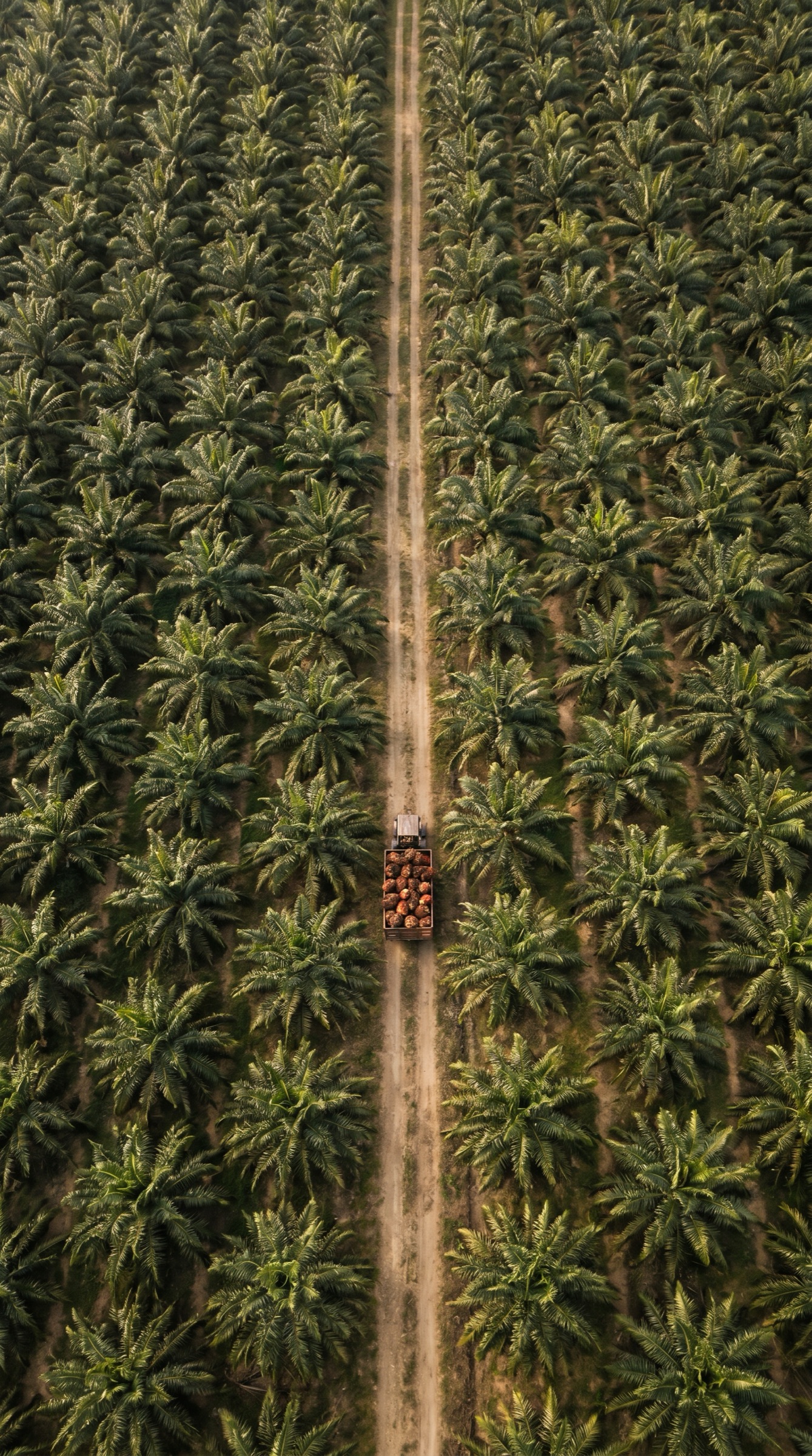
Our oil comes from two specific Colombian palm operations on the Llanos Orientales of Meta: Hacienda La Cabaña (Cumaral, 6,900 ha, 40 t/hr mill, founded 1959) and Guaicaramo (Barranca de Upía, 12,000 ha, 52 t/hr mill, founded 1987). Both are RSPO members. Both grow on former cattle pasture in the Colombian Llanos — not on cleared rainforest. Both are traceable down to the farm block and the harvest week.
This is not heritage-marketing. It’s sourcing transparency. The provenance is the spec sheet’s receipt.
See the sourcing story →Claims are backed by lab data. We publish what we test, and we test what matters.
Where it grew, how it was pressed, what it tested at — every batch, every shipment.
If the industry default is broken, we don’t accept it — we build the alternative at scale.
Industrial volumes. Reliable specs. On-time delivery. Disruption doesn’t happen in your supply plan.
When our partners win, we win. We equip them with science, stories, and strategic assets.
Palm oil has earned a reputation problem — in many cases deserved. Colombian palm tells a fundamentally different story than Southeast Asian palm, and our partner operations operate with practices that distinguish responsible Colombian palm from the global commodity stereotype.
We’re also clear-eyed about what “sustainable” means and doesn’t mean. Honest caveats go here, not just talking points.
Roughly 45% of Colombian palm expansion has been into the Llanos — on former cattle pasture and unutilized grassland, not cleared tropical rainforest. About 40% of national palm production comes from the Llanos del Orinoco.
Both Hacienda La Cabaña and Guaicaramo are RSPO members. Guaicaramo published a 2025 RSPO P&C recertification announcement.
No hexane in extraction, no caustic chemical neutralization in refining. The footprint of our refining is fundamentally lighter than chemical seed-oil supply chains.
“Deforestation-free” can still understate impact on remnant native grassland and dry-forest ecosystems. The Llanos is its own biome worth protecting on its own terms, not just a less-bad rainforest.
The door is open
Become a partner, source the oil, fly the flag in your industry. The oil is the entry point. The category shift is the upside.